
Vision Plays a Bigger Role Than You Might Think
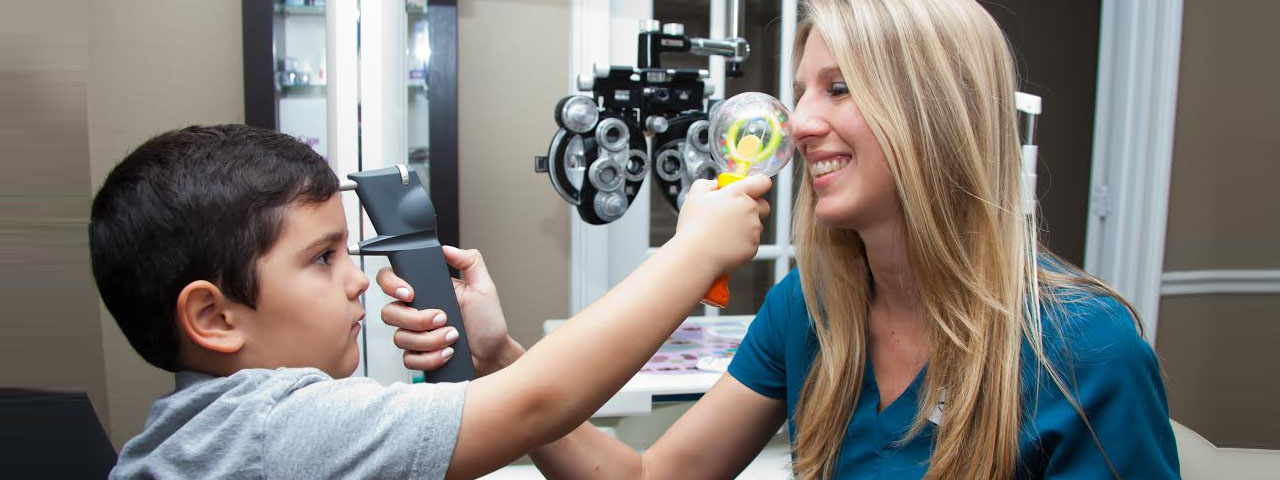
When kids struggle to see clearly, it affects more than just how well they read the whiteboard. It can interfere with learning, social development, and even behavior. Pediatric eye exams go beyond basic school screenings and help catch problems before they become long-term issues.
In areas like Southwest Austin, where many families are raising young children in stable, educated households, eye health often gets attention only when problems arise. But preventive care—especially early on—is key to setting your child up for success.
How Early Eye Care Supports Development
Children’s eyes are still developing well into their early school years. Conditions like myopia (nearsightedness), amblyopia (lazy eye), and strabismus (eye misalignment) are common—but highly treatable when caught early.
A comprehensive eye exam checks for:
- Visual acuity (sharpness of vision)
- Eye tracking and coordination
- Depth perception
- Prescription needs for glasses
- Early signs of eye diseases or developmental issues
Even if your child doesn’t complain about their vision, that doesn’t mean their eyes are functioning properly. Many kids adapt without realizing they’re not seeing clearly.
When Should You Schedule Your Child’s Eye Exam?
The American Optometric Association recommends:
- 1st exam: Around 6–12 months
- 2nd exam: Between 3–5 years old
- Before first grade, and then every 1–2 years after, unless advised otherwise
If your child already wears glasses or has a known vision issue, your eye doctor may recommend more frequent exams.
What About School Vision Tests?
While helpful, school screenings are not a replacement for a full pediatric eye exam. These basic tests often miss focusing issues, binocular vision problems, or subtle misalignments that can lead to reading difficulties or eye fatigue.
Signs Your Child May Have a Vision Problem
Keep an eye out for these signs, especially during the early school years:
- Squinting, tilting the head, or covering one eye
- Sitting too close to the TV or holding books very near
- Avoiding reading or homework
- Frequent headaches or complaints of tired eyes
- Falling behind in school or struggling with attention
If your child shows any of these symptoms, don’t wait until the next annual checkup—schedule an exam promptly.
Why Local Families Should Prioritize Pediatric Vision Care
Families in affluent, education-focused communities like the 78735 area tend to prioritize overall wellness, but it’s easy to overlook vision—especially when kids don’t mention any trouble. Pediatric eye exams are quick, painless, and informative. They offer a simple way to make sure your child is ready to succeed in school and beyond.
With Austin’s growth and competitive academic environment, clear vision can give your child a real advantage—whether they’re learning to read or heading into middle school.
Book Your Child’s Eye Exam Today
Comprehensive pediatric eye care ensures your child sees clearly—and comfortably—as they grow. Schedule their next exam with a trusted local provider who understands family-focused care. It's one of the easiest ways to support their learning, safety, and confidence.